Jamaican Food in Denver: Best Restaurants for Island Cuisine
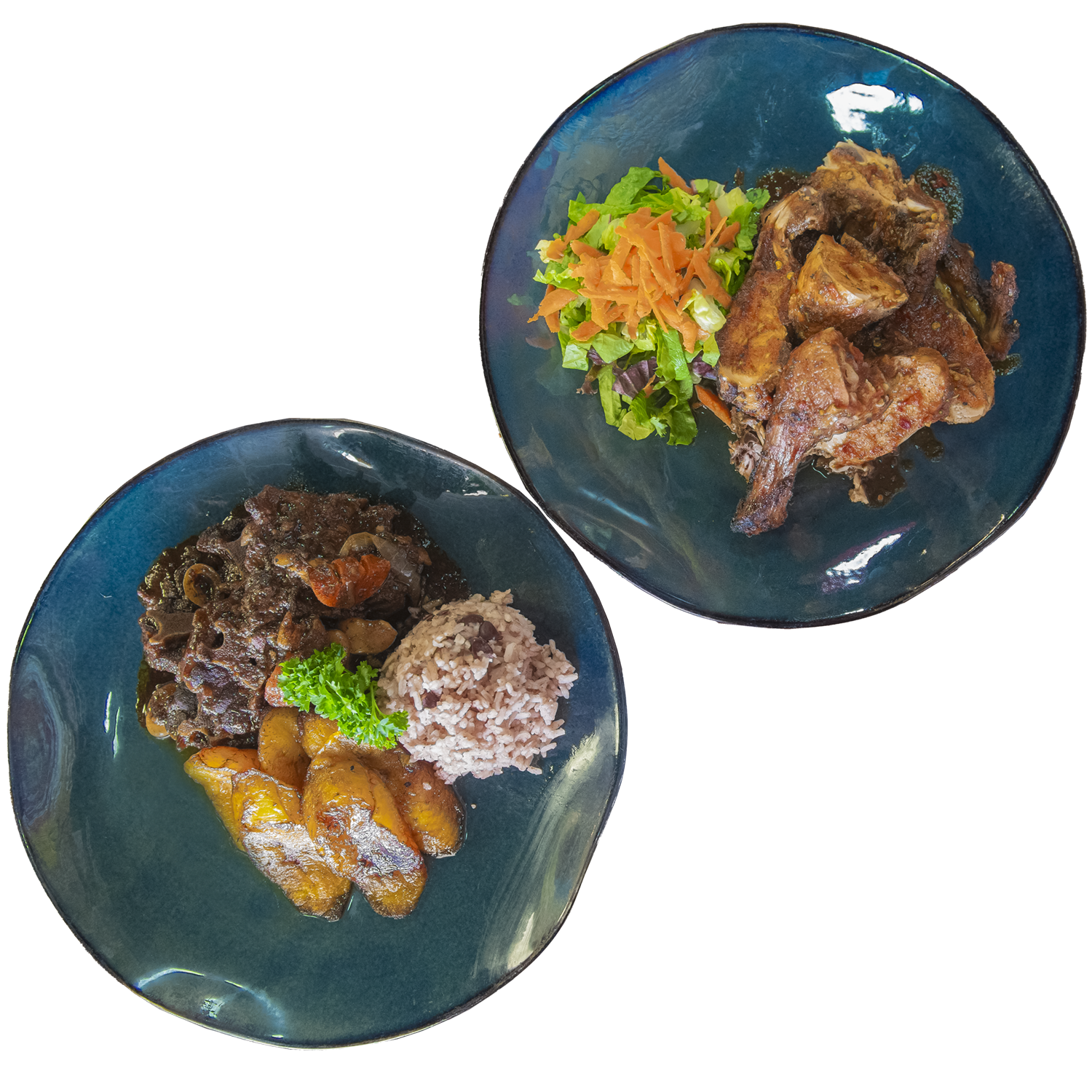
Finding great Jamaican food in Denver takes a little intention. The city does not have the same density of Caribbean restaurants you see in Brooklyn, South Florida, or parts of Toronto, so the search can feel scattered at first. A place may be tucked inside a strip mall, attached to a bar, sharing space with another concept, or operating with hours that seem to follow kitchen reality more than marketing logic. That is often part of the charm. The payoff, when you find a kitchen that gets the basics right, is serious: smoky jerk chicken, proper rice and peas, tender oxtail, patties with crisp pastry, and the kind of slow-cooked gravies that taste as if someone has been paying attention all day.
Anyone looking up jamaican food denver is usually after more than a meal. They want flavor with backbone. They want spice that does not feel decorative. They want dishes that show patience, seasoning, and confidence. Jamaican cooking, when it is done well, does not hide behind trends. It leans on allspice, thyme, scallion, Scotch bonnet, ginger, garlic, browning, pimento wood smoke when available, and a strong sense of balance between heat, sweetness, savor, and char. Even the sides matter. Rice and peas should not feel like filler. Cabbage should retain some bite. Plantains should be caramelized, not limp and oily.
Denver can deliver that, but you need to know how to judge the restaurant in front of you, and how to order. The best Jamaican restaurants in Denver are not always the ones with the glossiest branding. More often, they are the kitchens that treat core dishes with respect and consistency.
What makes a Jamaican restaurant worth your time
If you have eaten Jamaican food in several cities, you start to recognize the tells almost immediately. A strong restaurant does not need a huge menu. In fact, a shorter menu is often a good sign, especially if the kitchen is focused on a few dishes that require time. Oxtail, curry goat, jerk chicken, brown stew chicken, patties, and escovitch fish are not foods that reward shortcuts. If a place tries to do everything under the sun, quality can slip.
Jerk is usually the easiest place to start, and also the easiest dish to get wrong. Good jerk chicken should carry layered seasoning all the way through, not just on the skin. You want smoke if the restaurant has the setup for it, but smoke alone is not enough. The chicken should show heat from Scotch bonnet or a similar chile, the warm depth of allspice, and the green sharpness of thyme and scallion. If the meat is dry or the seasoning sits only on the surface, that is a miss.
Oxtail tells you something different. It reveals whether the kitchen understands texture and restraint. The sauce should be rich and glossy, but not greasy. The meat should give with minimal effort while still feeling like braised beef rather than shredded pot roast. Good oxtail costs real money to produce, which is why the dish often comes with a higher menu price. That is not a red flag by itself. The real question is whether the flavor justifies the spend.
Curry goat is another benchmark. Denver diners who are newer to Jamaican food sometimes expect the bright, coconut-heavy profile of Thai curry or the dry spice profile of some Indian goat dishes. Jamaican curry goat is its own lane. It should be earthy, aromatic, and deeply savory, with enough cooking time to soften the meat and let the sauce settle into itself. A restaurant that can handle curry goat usually takes the rest of its menu seriously.
The sides matter more than many first-time customers realize. Rice and peas should be fragrant, not anonymous. Cabbage should taste seasoned, not like an obligation. Mac and cheese, if offered, often reflects the kitchen’s broader instincts around comfort food. Plantains should hit that sweet spot between soft center and caramelized edge. A plate with excellent meat and careless sides never feels fully convincing.
Denver’s Jamaican scene is small, but that can work in your favor
One thing to understand about Jamaican food in Denver is scale. This is not a market where dozens of restaurants compete block by block. The scene is tighter, and that means each good kitchen develops a reputation fast. Word of mouth matters. So do return customers. If a place has regulars who know exactly what they came for, that usually means the kitchen is doing something right.
The other feature of the local scene is flexibility. Some of Denver’s best island cooking may appear in places that do not fit the old model of a standalone full-service restaurant. You may find it in a casual counter-service shop, inside a shared food hall, from a caterer with limited public pickup days, or as part of a broader Caribbean menu that includes Trinidadian or pan-island dishes. Purists sometimes resist that blending, but in a smaller market, it is often how talented cooks stay visible and viable.
That also means you should check hours before you go. Small operations run lean. They may sell out of patties. They may have weekend specials that never make it to a polished online menu. They may close a day early if staffing gets tight. This is not unique to Jamaican restaurants, but it shows up often enough in niche cuisines that it is worth planning around.
The dishes that separate a decent spot from a memorable one
When I am trying a Jamaican restaurant for the first time, I do not usually order the safest plate. I order the plate that exposes the kitchen. Brown stew chicken can be excellent, but it is not always the sharpest test because even an average version can still be comforting. Jerk, oxtail, and curry goat give you a clearer reading. If patties are made in-house or handled with care, that also tells you a lot.
Here are the menu items most likely to reveal whether a Denver restaurant is genuinely strong:
- jerk chicken
- oxtail
- curry goat
- beef or chicken patties
- escovitch fish, when available
Jerk chicken shows seasoning and fire control. Oxtail shows patience. Curry goat shows command of spice and braising. Patties show attention to detail, especially the pastry. Escovitch fish shows whether the kitchen can handle acidity, texture, and timing. A watery escovitch is forgettable. A good one wakes up the whole table.
There is also a practical side to this. Some dishes travel better than others. If you are ordering delivery, oxtail and curry goat usually hold up better than jerk chicken, which can lose some texture and smoky edge in transit. Patties survive the trip nicely. Fried fish is more of a dine-in food if crispness matters to you.
Jerk in Denver, what to expect
People often talk about jerk as if it were just a spice rub. It is more than that. Traditional jerk is both flavor system and cooking method. In an ideal world, you would have pimento wood and outdoor smoke working over marinated meat. In a city restaurant environment, especially one dealing with weather, ventilation rules, and cost, that exact setup is not always realistic. So Denver diners should judge with some flexibility, but not so much that the term becomes meaningless.
A strong Denver jerk plate will still hit the important notes. You should get noticeable spice, but not spice for its own sake. You should taste allspice and thyme. You should notice that the marinade penetrated. You should see some char or caramelization. Sauce on the side can be fine, but a pool of sweet bottled glaze over plain grilled chicken is not jerk, no matter what the menu says.
This is one of those cuisines where heat tolerance can distort judgment. Some customers think hotter automatically means more authentic. Not really. Jamaican food should have personality and a bit of swagger, but balance still matters. A well-made jerk plate has force without flattening everything around it.
Oxtail prices are high, and sometimes still worth it
If you have not ordered oxtail lately, prepare yourself. It is expensive nearly everywhere now, not just in Denver. A decade ago, oxtail still carried some of its old reputation as a working-class cut. Those days are gone. Demand is high, supply is limited, and restaurants have to price accordingly.
That said, a good oxtail plate can still justify the cost. You are paying for time, yield loss, labor, and often a dish that anchors the menu’s reputation. What you should expect in return is depth. The sauce should feel concentrated and developed. The beans, if included in the gravy, should taste integrated rather than tossed in as an afterthought. The meat should come off the bone with just enough resistance to remind you it was cooked, not steamed into submission.
If a restaurant’s oxtail looks gray, tastes one-dimensional, or arrives swimming in oil, that is the wrong place to spend your money. In a city where Jamaican options are fewer, this matters. Better to order jerk chicken from a reliable kitchen than gamble on a prestige dish that the restaurant is not actually set up to execute well.
Patties deserve more respect than they get
There is a tendency to treat patties as a side item, snack, or afterthought. That misses the point. A good patty is a compact example of how a kitchen thinks. The crust should be flaky but not brittle, rich but not heavy, and seasoned enough to stand on its own. The filling should be juicy and assertive, not a dry spoonful of timid meat.
In Denver, patties can be one of the easiest entry points into Jamaican food, especially for lunch or a quick stop. They are approachable, portable, and relatively low-risk for first-timers. They are also a useful test for repeatability. A restaurant that consistently turns out good patties usually cares about its pastry program, prep rhythm, and holding practices. Those things spill into the rest of the menu.
A coco bread sandwich with a patty tucked inside, if you can https://angeloztab338.evercolumn.com/posts/jamaican-food-in-denver-restaurants-serving-island-classics find it, is still one of the great low-key comfort orders in Caribbean food. It is rich, soft, salty, and satisfying in a very direct way. Not every restaurant in Denver offers that exact setup, but when it appears, it is worth your attention.
Side dishes can make or break the meal
Some cuisines let the main attraction carry everything. Jamaican food is not one of them. The supporting cast matters too much. Rice and peas should smell like they belong on the plate, often with coconut and herbs in the background. Cabbage should be seasoned and handled with care. Plantains should arrive sweet and properly colored, not pale and steamed into mush.
This matters even more in Denver because not every restaurant has the volume to keep every tray at its peak all day. If you visit late in service, some sides may have been sitting too long. That is not a reason to avoid a place entirely, but it is a reason to pay attention to timing. Lunch rushes and early dinner windows often give you the best shot at fresh turnover.
There is also a common trade-off between abundance and precision. Some restaurants serve very large plates, which can be great value, but if the sides are over-portioned and under-seasoned, the whole meal starts to feel dull halfway through. I would rather have a slightly smaller plate with sharper execution than a foam container full of rice that tastes like nothing.
How to order intelligently at a Jamaican restaurant in Denver
If you are trying a restaurant for the first time, order in a way that gives you a real read on the kitchen without overspending. That does not mean playing it safe. It means combining one signature protein with sides that matter, and adding one item that reveals technique.
A smart first order usually looks like this:
- one jerk or braised main
- rice and peas instead of plain rice
- cabbage or plantains as the side
- a patty if the restaurant is known for them
- a house drink, such as sorrel or ginger beer, if available
That mix tells you a lot without turning the meal into a tasting menu. You will know whether the kitchen can season deeply, manage texture, and keep even the simpler components lively. If you are dining with someone else, split jerk chicken and oxtail. That combination gives you the clearest contrast between dry heat and slow-braised richness.
For takeout, ask how spicy the jerk runs and whether sauce comes on the side. That tiny question can save the texture of the dish. It also tells you whether the staff knows the food well or is just reciting the menu.
What first-time diners often misunderstand
One of the biggest misunderstandings around Jamaican food is that every dish should be aggressively spicy. Heat matters, but seasoning matters more. A plate can be deeply satisfying without blowing out your palate. Brown stew chicken, for example, may be rich, savory, and slightly sweet rather than fiery. Oxtail often leans into depth over direct chile heat. Patties vary. Some are mild and aromatic, others have a stronger kick.
Another misunderstanding is speed. Slow food does not always align neatly with fast-casual expectations. If a kitchen is cooking from a limited batch and something sells out, that can be disappointing, but it may also mean the restaurant is protecting quality instead of stretching the dish past its prime. In a market like Denver, where many island restaurants are running relatively compact operations, that is not unusual.
The third misunderstanding is authenticity as performance. A room full of reggae posters or tropical graphics can be fun, but décor does not guarantee execution. I have had excellent Caribbean food in modest spaces and mediocre food in more polished ones. Trust the plate first.
Where Denver diners tend to find the best island cooking
Without pretending the city has one concentrated Caribbean district, it is fair to say that some of the stronger international food corridors in and around Denver offer your best odds. Areas with broader immigrant dining scenes, strip centers with family-run concepts, and neighborhoods where independent operators can still hold onto kitchen space often produce the most interesting finds. Aurora, in particular, has long been worth watching for globally diverse food, and serious eaters already know to keep an eye on it when chasing niche cuisines.
That is useful context because it shapes expectations. The best Jamaican food in Denver may not be on the most obvious entertainment block. It may require a short drive, a little patience, and a willingness to trust a place that looks unassuming from the outside. Usually, those are fair trades.
Drinks and desserts that complete the meal
If the restaurant offers sorrel, order it at least once. The tart, spiced profile cuts through rich food beautifully. Ginger drinks, whether house-made or bottled, also make sense with jerk and curry. They refresh the palate without disappearing next to bold seasoning.
Desserts vary more from place to place. Some restaurants keep it simple with rum cake, sweet potato pudding, or packaged sweets near the register. Others skip dessert altogether and focus on savory staples. That is fine. Jamaican restaurants live or die on mains and sides first. Dessert is a bonus, not the core of the experience.
Still, when sweet potato pudding is available and made well, it is worth trying. Done right, it is dense, warmly spiced, and less sugary than many American diners expect. It feels homemade in the best sense.
The real measure of a great Jamaican restaurant
The strongest Jamaican restaurants in Denver tend to share one trait that has nothing to do with trendiness. They cook with conviction. The menu may be short. The dining room may be plain. Service may be warm but direct rather than polished in a corporate sense. None of that matters if the food arrives with the right aromas, the right texture, and the unmistakable sense that someone in the kitchen understands the difference between simply making a dish and owning it.
For locals, the smart move is not to chase novelty every time. Find one or two places that handle jerk, gravy-based dishes, and sides consistently well. Learn which days they are strongest. Know what sells out. If you are introducing someone to Jamaican food in Denver, do not overcomplicate it. Start with jerk chicken or curry goat, add rice and peas, include plantains or cabbage, and let the plate speak.
The search for the best jamaican food denver has to offer is less about finding a flashy top-ten list and more about learning how to recognize quality when it appears. Denver’s scene may be smaller than that of larger coastal cities, but smaller does not mean lesser. It often means more personal cooking, tighter menus, and restaurants that survive because people come back for the same dish again and again. That is usually the best sign you can get.
Reggae Pot Jamaican Grill
Address: 2243 S Monaco St Pkwy #104, Denver, CO 80222
Phone number: +17204102956
FAQ About Jamaican Food Denver
What is typical Jamaican food?
Typical Jamaican food features bold, vibrant flavors created by blending African, Taino, European, and Asian influences.
What is a famous Jamaican dish?
Ackee and saltfish is Jamaica's national dish, made by sautéing the soft local ackee fruit with salted cod, onions, tomatoes, and spicy Scotch bonnet peppers.
What food is most popular in Jamaica?
The most popular and famous food in Jamaica is Jerk Chicken, celebrated worldwide for its smoky, spicy flavor.