Irish Pub NYC Moments That Turn Into Great Memories
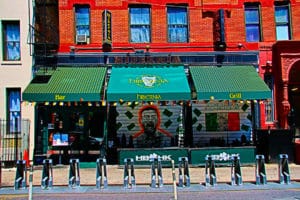
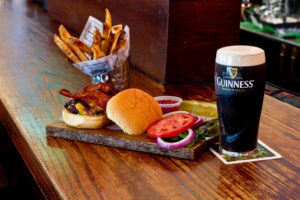
There are bars you visit for a drink, and there are places you return to because something happened there that stayed with you. In New York, the Irish pub often falls into the second category. It is rarely just about the pint itself, although a properly poured Guinness still carries a small ceremony all its own. It is about warmth in a fast city, about the way a room can loosen a hard day, and about those ordinary evenings that become the stories people repeat for years.
The phrase Irish Pub NYC tends to bring up a familiar picture: dark wood, brass rails, a polished bar, a crowd that stretches from regulars to first-time visitors, maybe a fiddler in the corner or a football match on the television. That picture is not wrong, but it is incomplete. The best Irish pubs in New York are less about decoration than about atmosphere, timing, and human chemistry. A room can be handsome and still feel flat. Another can be slightly worn, a little noisy, and unforgettable by 8:30 p.m.
What makes those nights memorable is not usually the dramatic event. It is the accumulation of small things. The bartender remembers your order from a visit six weeks ago. A stranger shifts over one stool because your group arrived late and still needs space. Someone at the next table starts singing softly after the second round, and by the fourth chorus half the room is in on it. The city outside is impatient and expensive and loud. Inside, for two hours, people behave like they have time.
The room does more work than people realize
Walk into a strong Irish pub in New York and the first impression is often physical. You feel the room before you judge it. The light sits low enough to flatter everyone without plunging the place into gloom. The wood absorbs some of the sharpness that hard city spaces tend to bounce around. Glassware clinks, chairs scrape, laughter rises, and somehow none of it feels chaotic unless the place tips into full weekend crush.
That balance is harder to achieve than it looks. Many bars in New York chase energy by raising the volume until conversation becomes a combat sport. Irish pubs, at their best, understand a more useful principle. People stay longer when they can hear each other. If music is live, it should animate the room, not overpower it. If there is television, it should matter when it matters, then recede. Hospitality is a form of editing. The room should give people something to do with their attention without stealing all of it.
There is also the matter of scale. Some of the most memorable Irish pub nights happen in spaces that are not especially large. A narrow bar with a deep crowd and two bartenders working at full stretch can create a feeling of participation that sprawling venues never manage. You are not hidden inside it. You are part of the machinery. Orders move quickly, elbows tuck in, people make room, and suddenly strangers are aware of one another in a way New Yorkers often avoid on the sidewalk.
That density can go wrong, of course. If a pub is so packed that service collapses or conversation becomes impossible, memory hardens into annoyance. Good operators know the difference between lively and overloaded. The places that endure are usually disciplined behind the scenes. Staff pace the room well. Tables turn naturally. The kitchen, if there is one, knows what it can handle. The whole point is ease, even when the place is busy.
Why the first round matters more than the fifth
People often think pub memories are made late in the night, once everyone is loose and loud. Sometimes that is true, but more often the tone is set in the first ten minutes. You walk in cold from the street, or damp from rain, or tense from a train delay, and the room either takes you in or it does not. That first round is not just a beverage order. It is a test of whether the place understands welcome.
A good bartender can transform an evening with a few efficient moves. Eye contact. A nod that says, I see you, give me a moment. A recommendation that is actually useful instead of performative. In a city where service can become transactional, those details stand out. They turn a purchase into an experience, which sounds like marketing language until you have lived the difference.
I have seen this play out in every type of gathering. Two old friends meeting after work. A family reunion before a Broadway show. A couple killing time before dinner and deciding, halfway through one drink, to stay where they are. An office crowd trying too hard to unwind and then relaxing only when someone orders a plate of chips and curry sauce for the table. The first round gives people a script. If the pub is right, the script becomes less necessary with each passing minute.
There is also a practical point here that seasoned pub-goers understand. You can often tell how the rest of the night will go by the way stout is handled, by whether the glassware is clean, by whether the server knows the menu without looking at it, by whether the room feels cared for rather than merely operated. None of these are grand romantic details. They are shop-floor details. But they form the base layer of memory. Comfort is built from competence.
The city falls away for a while
New York is not short on stimulation. What it lacks, more often, is permission to slow down. The Irish pub offers that permission in a way that feels earned rather than curated. It does not usually ask you to posture. You do not need to photograph the candlelight or explain the cocktail list. You can sit down, exhale, and be where you are.
That matters because so many memorable nights begin with low expectations. Someone says, "Let’s just grab one." A weather delay cancels plans in another part of town. A visiting relative wants something recognizable and comforting rather than trendy. You duck into an Irish pub because it feels like a safe bet. Those are exactly the conditions under which good memories tend to form. Nobody is trying to manufacture a perfect evening. The pressure drops, and people become available to surprise.
On a winter night, that can look almost cinematic. Coats draped over chairs. Windows fogged by the contrast between the street and the room. The bar three-quarters full by six, then shoulder-to-shoulder by seven-thirty. Soup or shepherd’s pie landing on nearby tables with enough steam to reset your mood. Someone at the far end starts a conversation about county roots, or rugby, or where to find the best soda bread in the city. By the second pint, the whole evening has drifted pleasantly off course.
Summer creates a different version of the same effect. Doors open. Sun hangs in the front windows longer than expected. A pub can feel less tucked away and more like an extension of the street, especially if the neighborhood has enough foot traffic to keep the threshold lively. The energy shifts from huddled warmth to shared release. The city has been hot all day, and people want shade, cold beer, and no nonsense. Again, the Irish pub often delivers exactly that.
The music changes everything when it is done right
Live music in a pub is one of those things that can be transcendent or unbearable, with very little middle ground. The difference is not simply talent, although talent helps. It is judgment. In the best Irish pub settings, musicians read the room the same way experienced bartenders do. They know when to lift the energy, when to leave space, when to lean into familiar songs, and when to keep the repertoire from becoming tourist wallpaper.
A quiet set early in the evening can make a room feel more alive without demanding that everyone stop and watch. Later on, a stronger rhythm can pull in the tables at the edges and give the crowd a shared pulse. What people remember is not always the exact song. They remember that the entire room seemed to land on the same emotional note at once.
There is a particular kind of memory that belongs almost exclusively to pub music. You arrive expecting private conversation and end up in communal feeling. It might be a traditional ballad sung without irony, or an old standard that half the room did not know they knew. For a few minutes the barriers soften. Not everyone joins in, and they do not need to. Participation has layers. Tapping a glass in time counts. Smiling across to another table counts. Staying for one more set definitely counts.
Too much music, though, can flatten a night. If every tune is treated like a headline act, the room loses flexibility. Some pubs miss this and confuse performance with atmosphere. The strongest venues understand that a pub is not a concert hall. It is a social room. Music should deepen the experience, not conquer it.
Food is rarely the headline, but it often saves the night
Ask people what they remember about a pub evening and they usually mention the company, the pints, the match, the band. Then, a few minutes later, they say, "And that stew was exactly what I needed," or "Those sausage rolls disappeared in three minutes." Pub food works this way. It sneaks into memory because it anchors the experience physically.
In New York, where dinner can easily become an overplanned event, the dependable pub menu has real value. A bowl of seafood chowder, fish and chips that arrive crisp rather than greasy, a shepherd’s pie that is served hot all the way through, brown bread with actual character, these things matter. They keep a simple evening from turning ragged. They let a group stay in place instead of splitting up in search of food. They absorb the second drink and justify the third.
There is also something emotionally intelligent about pub food when it is done well. It does not ask too much of the guest. It is direct, recognizable, and satisfying. On a date, that can lower the stakes nicely. During a reunion, it gives people something to share while the first wave of catching up settles. Before a game or after a funeral, two occasions that are emotionally opposite but socially demanding in different ways, it gives the body a kind of calm.
Not every Irish pub kitchen in NYC aims high, and that is fine. Some places are bar-first and know it. But even then, the smart pubs understand a basic truth. If people are comfortable and fed, they stay longer, spend more steadily, and leave happier. Memory follows comfort more often than novelty.
The regulars and the newcomers need each other
One of the subtle strengths of a proper Irish pub is that it can hold both regulars and outsiders without making either group feel unwelcome. That is a delicate social skill. Too much emphasis on the local crowd, and first-timers feel as if they have wandered into someone else’s living room. Too much catering to visitors, and the place loses its backbone.
The best pubs get this balance right almost invisibly. Regulars provide continuity. They establish rhythm, tip well, know the staff, and give the room a sense of lived-in confidence. Newcomers provide freshness. They bring stories, questions, different ages, different accents, and occasional spontaneity that keeps a pub from hardening into routine.
This mix is part of why an Irish Pub NYC night can feel unusually memorable. New York is a city of arrivals. Very few people are from the same place, at least not for long. The Irish pub becomes one of the rare venues where rootedness and movement coexist comfortably. A man who has been sitting at the same corner of the bar every Thursday for fifteen years can end up recommending a whiskey to a couple visiting from Dublin, Boston, Sydney, or Chicago. A server who grew up in Queens can end up mediating a spirited argument between soccer fans from three continents. None of it feels staged. It just happens because the room allows it.
There is a hospitality lesson here that goes beyond theme or nationality. Memorable places let people belong at different levels. You can be a fixture, a familiar face, or a complete stranger on your first visit. If the pub is any good, the room will make space for all three versions of you.
Celebrations work better when they are a little unpolished
Some of the strongest memories made in Irish pubs come from celebrations that are not overly managed. Birthday drinks that turn into a singalong. Engagement toasts where the ring gets passed around for inspection by people who have only just met the couple. Retirement gatherings where someone tells the same story three times and it somehow gets better on the third telling.
There is a reason these occasions land well in pub settings. A pub absorbs messiness. It can handle last-minute arrivals, uneven group sizes, emotional speeches, and that one friend who always runs late. Formal venues tend to magnify disruption. Pubs soften it. They are built for drift, for overlap, for the odd but welcome turn.
Work gatherings reveal this especially clearly. In many New York offices, people spend all day presenting polished versions of themselves. Put that same group around a table in an Irish pub with a few rounds, decent food, and no pressure to perform, and hierarchy starts to relax. Junior staff chat with senior staff more easily. Stories emerge that would never surface in a conference room. People leave with a stronger sense of one another as people rather than job titles. Not every team event needs that kind of setting, but many benefit from it.
The same is true for reunions. Old friends do not always need novelty. They need a place where time can stretch. A loud, trend-driven venue often works against that. An Irish pub, on the other hand, tends to support long-form conversation. Nobody rushes you through a life update.
Even the imperfect nights become good stories
One reliable sign of a worthwhile pub is that even its minor flaws become part of the charm later on. The table by the door was drafty. Somebody spilled https://penzu.com/p/b75adf4eb24f6527 half a lager. The music started twenty minutes late. A friend ordered whiskey beyond their level of wisdom and had to be put in a cab. These are not ideal moments in real time, but they often become the details people laugh about afterward.
That is not an argument for low standards. Bad service is bad service. A dirty line is a dirty line. But there is a difference between a flawed evening in a cold room and a flawed evening in a generous one. In the second case, people forgive more because the pub has already given them enough to work with. Memory is not a receipt. It is an emotional summary.
This is one reason Irish pubs remain such durable institutions in New York despite constant changes in nightlife. They are not trying to be flawless. They are trying to be reliable, convivial, and alive. Those goals age better. A trend peaks and fades. A room that makes people feel at ease stays useful.
What people carry home
When people talk about great nights out in New York, they often focus on spectacle. Rooftop views, celebrity sightings, impossible reservations, glamorous openings. Those things have their place. But ask around long enough and another category of memory starts to emerge. The really cherished stories are often smaller. They involve weather, friends, timing, and one very good pub.
Someone remembers ducking into an Irish pub in Midtown before a storm and missing the train on purpose because the band had just started. Someone else remembers meeting their future spouse because the only empty seat left was between them at the bar. Another remembers watching a parent, usually reserved, start singing along with a song from childhood after two careful pints. These are not extravagant experiences. They are human ones.
That is the lasting appeal of the Irish pub in a city that rarely pauses. It offers a setting where people can become slightly more available to one another. Not sentimental, not theatrical, just open enough for the night to matter. You come in expecting food, drink, and shelter from the noise outside. If the place is right, you leave with something more durable than that.
And that is how the best Irish Pub NYC moments turn into great memories. Not through grand design, but through good rooms, capable hands, and the quiet luck of being there when the evening decides to become a story.
Hibernia Bar
401 W 50th St
New York, NY 10019, United States
Phone: +1 212-969-9703
FAQ About Irish Pub NYC
What is the best Irish pub in NYC?
The best choice depends on your location and preferred atmosphere. Hibernia Bar is a neighborhood Irish pub in Hell's Kitchen offering Guinness, Irish whiskey, pub food, and sports viewing.
Where do Irish people go in NYC?
New York's Irish community gathers in many neighborhoods and venues. Hibernia Bar welcomes Irish expats, local residents, and visitors at 401 W 50th St, just off Ninth Avenue.
Where can I watch GAA games in New York?
Hibernia Bar lists GAA among the sports it shows. Call +1 212-969-9703 to confirm coverage and opening times for a particular match before visiting.
What is the difference between a bar and a sports bar?
A sports bar emphasizes televised games and a shared viewing atmosphere. Hibernia combines sports viewing with the food, drinks, and hospitality of a neighborhood Irish pub.