How to Host a Cocktail Masterclass in a Bar With Private Room
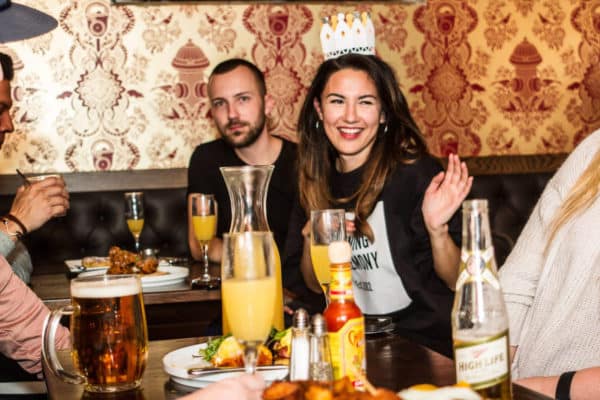
A cocktail masterclass can be one of the most profitable and memorable events a venue hosts, but only when it feels polished from the first welcome drink to the final glass on the bar. I have seen the same concept land in two completely different ways depending on one factor: the room. Put a group in the main trading area, squeeze them between standing drinkers, and the event can feel improvised. Move that same group into a Bar With Private Room, and the tone changes immediately. Guests relax, they hear the host, they take part, and they spend more.
That private setting does more than create atmosphere. It gives you control over pace, sound, staffing, and service standards. It also makes the event easier to sell. Clients booking birthdays, corporate socials, hen parties, networking evenings, or brand launches want a dedicated space that feels theirs for the night. A private room lets you shape the experience around the group instead of forcing the group to fit around regular trade.
Hosting a strong masterclass is not just a matter of teaching people how to shake a margarita. It is event design, operational planning, stage management, and hospitality, all rolled into one. The best sessions feel relaxed and spontaneous, but behind that ease is a clear structure and a room set up to support it.
Start with the format, not the drinks
Most people begin by choosing cocktails. That is understandable, but it is the wrong first move. The format drives everything else. Before deciding whether guests will make an espresso martini or a daiquiri, decide what kind of event you are actually running.
A masterclass for a twelve-person birthday party works differently from one for a thirty-person client entertainment night. The smaller group can handle more hands-on mixing, more guest interaction, and a slower rhythm. A larger group often needs a semi-demonstration format, with a host leading from the front and guests rotating through practical moments rather than all shaking at once.
A useful starting point is to answer three practical questions. How long will the session run? How many cocktails will each guest make or taste? Will the event lean educational, celebratory, or theatrical?
A 60-minute class usually works best with a welcome drink, one demonstration, and one cocktail made by each guest. A 90-minute format gives you room for two hands-on serves and a little storytelling around spirits, technique, or house signatures. Once you push past 90 minutes, food or substantial snacks become much more important, and the host needs to keep energy high so the event does not drift.
The best classes usually sit in a sweet spot between learning and fun. Guests want to feel they have done something, not sat through a lecture. At the same time, they want more than unlimited pouring and a photo opportunity with a shaker. That balance matters. If you pitch it too far toward pure entertainment, the event can feel disposable. Too far toward education, and half the room may start checking their phones.
Why the private room changes the event
A Bar With Private Room gives you control in a way the main floor never can. You can manage noise levels, protect glassware and ingredients from passing traffic, and build a cleaner flow from arrival to finish. It also helps guests engage with the host. This sounds obvious, but audibility alone can make or break a session. If guests cannot hear why gin and citrus behave differently from vodka and citrus, or why wet ice matters in a shake, they stop listening and start chatting.
Privacy also changes behavior. Corporate groups ask more questions when they are not surrounded by the public. Birthday groups loosen up faster when they are not on show. Team socials get better participation because nobody feels watched by strangers. If you want guests to stand, smell ingredients, taste syrups, compare spirits, and volunteer to mix at the front, a dedicated room makes that far easier.
There is also a commercial upside. A private room creates obvious upgrade paths. You can package premium spirits, canapé pairings, arrival fizz, branded menus, keepsake glassware, or post-class table service. In a general bar area, those details often get lost. In a private room, they feel intentional.
Build a menu that people can actually execute
Many bars make the mistake of choosing cocktails because they look impressive on social media. Height, smoke, flames, foams, and elaborate garnishes photograph well, but they are rarely the smartest choice for group education. A masterclass menu should reward participation, teach usable technique, and produce drinks that still taste good when made by people who have never held a Boston shaker.
The strongest menus usually mix one forgiving classic with one drink that introduces a new skill. A mojito can teach muddling and balance, though it can get messy with larger groups. A margarita teaches shake technique and dilution. An old fashioned works well in seated sessions where you want guests stirring and tasting slowly. An espresso martini creates excitement, though coffee service timing and foam consistency need careful handling. A French 75 or spritz variation can offer a lower-effort second serve that still feels celebratory.
Think about what the room can support. Fresh egg white cocktails may be wonderful in a serious workshop, but they slow service and create hygiene considerations. Crushed ice drinks look fun but are cumbersome without the right station setup. Drinks requiring multiple fresh garnishes can bottleneck a room if you are teaching twenty people at once.
A good rule is to keep the core build for each cocktail to three or four components, not including garnish. That still gives enough complexity for a quality drink while protecting pace. Guests enjoy themselves more when they succeed. They do not need a ten-bottle spec to feel accomplished.
Price for margin and for effort
Bars often underprice masterclasses because they compare them to an ordinary drinks package. That misses the labour involved. A cocktail class ties up premium space, requires pre-batching, briefing, room setup, host time, glassware handling, extra cleaning, and closer supervision than a standard booking.
Pricing should reflect three layers: room value, beverage cost, and staffing intensity. If the private room would normally generate a healthy minimum spend on a Friday evening, your class price must account for that opportunity cost. If the event is on a quieter weekday slot, you may have more flexibility. Timing matters as much as headcount.
Guests rarely object to paying more when the event has shape and polish. They do notice when a supposedly premium masterclass feels thin. A cheap package with rushed service, limited interaction, and watered-down drinks can do more damage than good. The aim is not simply to fill the room. It is to deliver an experience worth repeating and recommending.
In practical terms, many venues find the sweet spot by offering a base package and one or two clear upgrades. That keeps sales conversations simple. A corporate booker usually wants easy options, not twelve variables. A birthday organiser wants clarity on what their group gets and what it will cost per head. When the menu and room usage are tightly defined, the sales process becomes easier for staff as well.
Design the room like a working stage
The private room should feel warm and social, but it also needs to function like a demonstration space. If sightlines are poor, half the room will miss the method. If guests are packed too tightly, they cannot move or participate. If every tool is set in front of every person before they arrive, the room can look cluttered and slightly chaotic.
I prefer to zone the room mentally into three working areas: welcome, demonstration, and making. The welcome area might be a side table with arrival drinks or water. The demonstration point needs visibility, lighting, and enough clear bench space for the host to show technique cleanly. The making area is where guests either mix at their places or come forward in small groups.
The setup does not need to be extravagant, but it must be deliberate. One of the best classes I saw was in a compact upstairs room with simple furniture and no built-in bar. What made it work was the layout. The host stood against a neutral wall with strong overhead lighting, ingredients were pre-portioned in labelled bottles, and all unnecessary furniture had been removed. Guests could see, hear, and move. That mattered more than the room having luxurious finishes.
Here are the essentials that should be ready before the first guest arrives:
- measured ingredients, clearly labelled and arranged in the order of use
- enough clean glassware for the class, plus at least 20 percent spare
- shakers, jiggers, bar spoons, strainers, ice buckets, napkins, and waste points placed where staff can reach them fast
- water on tables and some form of food, from bar snacks to canapés, depending on the length of the event
- a tested sound plan, even if that only means confirming the host can be heard without shouting
That final point gets overlooked constantly. A private room can still have terrible acoustics. Hard surfaces bounce sound. Air conditioning hums. Ice rattles. If your host has to strain to project, energy drops within twenty minutes.
Choose the right host, not just the best bartender
Not every excellent bartender makes an excellent masterclass host. Technical skill matters, but communication matters more. The room needs someone who can explain why a drink works, keep a group on schedule, recover from a broken shaker without flinching, and read when the crowd wants more detail or less.
The ideal host has a little stage instinct. They know how to hold attention, use names, repeat instructions clearly, and invite nervous guests to take part without making them uncomfortable. They also know when to move on. Some groups love the history of rum production. Others just want enough context to feel informed before they get back to laughing with friends.
I have found that a strong host uses stories sparingly and purposefully. A thirty-second anecdote about the origin of a whiskey sour can land well. A seven-minute speech about prohibition usually does not. The room should feel guided, not trapped. Keep the content tight, useful, and linked to what guests are tasting in the glass.
Support staff matter too. One extra pair of hands can be the difference between smooth and frantic. While the host teaches, another staff member can top up ice, clear used tins, wipe spills, replace dropped napkins, and quietly solve little issues before guests notice them. In a larger private room, that support is not optional.
Keep the guest journey simple
From the customer side, the booking should feel straightforward. That starts before the event itself. Your website or events pack should make the essentials obvious: duration, group size, price point, what is included, food options, accessibility, start times, and whether exclusive use of the private room is guaranteed.
Once the booking is confirmed, a short pre-event message helps reduce friction. Ask about dietary needs, spirit preferences, celebration details, and timing. Confirm whether the organiser wants a more playful or more educational tone. If they are booking a Bar With Private Room for a work function, ask whether speeches or presentations are planned so the room can be arranged accordingly.
On the night, avoid making guests queue at the main bar to figure out where they are supposed to go. Dedicated signage or a staff member at the entrance makes a disproportionate difference. It sets the tone. The host should greet the organiser by name, confirm the plan in a sentence or two, and get drinks into hands quickly. Standing around while staff scramble for setup drains momentum before you have even started.
Pace is everything once the class begins
A masterclass feels lively when something is always happening, but not everything should happen at once. The first ten minutes are about settling the room. Give guests a drink, let them arrive socially, then gather attention. Start with a clear promise: how long the session will run, how many drinks they will make or taste, and what kind of participation is expected.
After that, rhythm matters more than density. Demonstrate first, then invite action. Let guests smell ingredients before they pour. Have them taste a spirit neat in a tiny sample if that helps explain the build. Keep instructions short. People remember doing better than listening.
The common pacing mistake is trying to squeeze too much into the middle section. You do not need to teach every category of spirit or every form of shake. Two good practical moments are usually enough. If the group is enjoying itself, leave some air in the room. A few minutes of informal conversation while people sip their own drinks often becomes the part they remember.
When things go wrong, recover quickly and lightly. Someone will spill something. Someone will shake without sealing the tin. Someone will ask for a vodka negroni. A good host handles all of it without embarrassment or sarcasm. Guests take their emotional cue from the staff. If you stay calm, the room stays comfortable.
Food is not an afterthought
Cocktail classes often run in a window when guests have not eaten properly. If you are serving two or three cocktails, especially spirit-forward ones, some form of food is a service issue, not just a sales add-on. It does not need to be a full meal, but there should be something planned.
For shorter classes, olives, nuts, fries, flatbreads, or small sharing plates may be enough. For premium bookings, canapés timed between drinks work very well. Corporate groups often prefer a package that rolls seamlessly into dinner or a reserved area afterwards. Birthday groups may want the class first, then more casual grazing and music. The private room makes these transitions much easier to manage because you are not trying to merge an event into busy public service.
One practical note from experience: salty food helps, but messy food hurts. Anything greasy, drippy, or difficult to eat while standing with a glass becomes a nuisance. Keep it tidy and easy to clear.
The sales angle most bars miss
A cocktail masterclass should not end when the final drink is poured. The private room is a powerful sales environment because people are already in a celebratory mindset and have had a curated experience. This is the right moment to offer a continuation, not with a hard sell, but with a natural next step.
That might be table service in the https://pastelink.net/5ytz58b1 room for another hour, a set menu in the dining area, a bottle package, a discount on booked return visits, or a future seasonal class. If the event is corporate, the organiser may also be evaluating the venue for Christmas parties, team socials, or client evenings later in the year.
The easiest way to create repeat business is to make follow-up feel personal. If the host referenced the group’s preferences during the class, mention those in the post-event email. If the organiser booked a Bar With Private Room for a product launch, send room photos and suggest how the setup could adapt for future hires. Real hospitality lives in those details.
A few points are worth checking after every event:
- did the room layout help guests see and hear clearly
- were the cocktails right for the group’s level of confidence
- did staffing feel comfortable or stretched
- was there a natural spend after the class ended
- would the organiser know exactly what to book next time
That kind of review sounds basic, but it is how good events become reliable revenue rather than one-off luck.
Handling edge cases without losing polish
Not every group is easy. Some arrive late. Some drink faster than expected. Some include a few guests who are not interested in alcohol at all. If you host regularly, these are not unusual exceptions. They are part of the job.
Late arrivals need a policy and a tone. I prefer a soft time boundary. Start within ten minutes of the scheduled time where possible, and integrate latecomers without restarting the full event. If you keep waiting for every missing guest, the people who arrived on time feel punished.
Non-drinkers deserve proper thought. A weak mocktail option sends the wrong message. If you offer an alcohol-free version of the class, it should still teach technique, balance, and flavour. Seedlip-style serves, shrub-based drinks, citrus builds, and non-alcoholic aperitif formats can be excellent when treated seriously.
Then there is the issue of confidence. In almost every class, one or two guests worry they will get it wrong. They hover behind friends, laugh off participation, or insist they just want to watch. A good host gives them a manageable role. Maybe they measure. Maybe they garnish. Maybe they shake with a partner. Once they are involved without pressure, they usually warm up.
What guests remember afterward
People rarely leave talking about the exact ounce measure of triple sec. They talk about how the room felt, whether they were looked after, whether they learned something interesting, and whether the event felt worth gathering for. That is the standard a private room should help you reach.
A Bar With Private Room gives you the space to create that memory with intention. It lets the event breathe. It protects the host’s authority without making the atmosphere stiff. It supports better service, cleaner pacing, and stronger upsell opportunities. Most of all, it turns a simple drinks activity into a hosted occasion.
When a cocktail masterclass works, guests leave pleasantly surprised by how much they enjoyed both the making and the hospitality around it. They remember the welcome drink, the moment they nailed a proper shake, the joke that landed at the right time, the room that felt set apart just for them. Those are not accidental details. They come from good planning, a sensible menu, the right host, and a private space designed to do its job well.
That is why the room matters so much. A great cocktail class is not just about what is in the glass. It is about everything around it.
The Winslow
Address: 243 E 14th St, New York, NY 10003
Phone number: +12127777717
FAQ About Bar With Private Room
Which bars in NYC offer private rooms?
Many bars in New York City offer private and semi-private rooms for parties and events, ranging from hidden basement speakeasies to upscale lounge spaces. Top options include The Back Room on the Lower East Side, Dear Irving Gramercy, Pebble Bar in Midtown, Mister Paradise in the East Village, and The Winslow in the East Village.
What is a private room in a pub called?
A small, private seating area or partitioned booth in a traditional pub is most commonly called a snug. Larger private rooms used for events, parties, or dining are typically referred to as private dining rooms, function rooms, or back rooms.
How much does a 2 hour open bar cost?
A 2-hour open bar generally costs between $15 and $45 per person, depending heavily on the quality of alcohol you choose. For a standard group of 100 guests, this translates to an overall cost of $1,500 to $4,500 before taxes, setups, and staff gratuities.